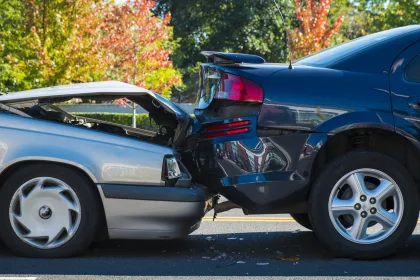
It is worrying that one in three crashes on our roads involves someone who is working at the time.
Whether it is a lorry driver, courier or an employee in a company car or their own vehicle, research by the Health and Safety Executive revealed 20 fatalities and 250 serious injuries a week involve work-related driving.
Priorities
This is a huge concern for fleet operators and managers, with companies facing potential claims from injured third parties, or from their own staff if corporate negligence is considered to be a factor.
One of the main factors is people’s training and attitude behind the wheel. Are they focused on the task at hand and understand that they are representing and are responsible to their company, or are bad habits likely to creep in?
Michelin Connected Fleet reports: “People are typically less cautious when driving for work purposes. For instance, 80% of drivers who make business trips use their phone while driving, according to AXA Prevention, compared to 59% of people during personal journeys. Clearly, road safety needs to be a huge priority for fleet managers.”
The burden lies with fleet managers to ensure all drivers understand company policies, the rules of the road and undergo any training necessary to reduce the risk of accidents and to react in a responsible and effective manner in the event of a crash.
Managing the risk
While many companies believe they aren’t making money unless their drivers are out on the road, Michelin Connected Fleet warns that the more time vehicles are on the road, the higher the probability they will encounter a problem.
It said: “Lost or misused time isn’t good for any business but, when it comes to your fleet of vehicles, it could mean an increased risk of road accidents for your drivers. Therefore, it’s essential to eliminate unnecessary trips or limit the distances your drivers travel.
“Data obtained using fleet management solutions will let you … optimise the allocation of your fleet resources and limit the time spent on the road.”
Having vehicles on the road is key for businesses operating fleets and Michelin recommends steps that can be taken to reduce the risk of being involved in an incident.
Slow and steady
By promoting eco-driving, fleet managers can reduce fuel costs and wear and tear on vehicles. They can also monitor driver behaviour and make improvements to their conduct on the road, including avoiding speeding, rapid acceleration and heavy braking.
Using this data to personalise road safety training can reduce fleet insurance premiums because it shows your insurer you are taking steps to minimise the risk.
Regular vehicle maintenance, repairs and practices also help to reduce the risk of accidents. Michelin warns it is particularly important to ensure appropriate vehicles are selected for each load, journey type, and the roads they will use.
Staying connected
Removing the need for drivers to use mobile phones while travelling is another step companies are encouraged to take to reduce accidents. Michelin recommends using technology to monitor vehicles in real time, which eliminates the need to call drivers for updates.
In the event of an accident, fleet drivers should also be able to respond appropriately and help where necessary. First-aid and safety training means that in the event of a crash, they know what to do to keep themselves and others safe.
Fleet management technology also means that drivers can summon immediate help with the push of a button and fleet operators will know the precise location and severity of an accident. This also reassures the driver that their employer has been informed and is sending help.
Michelin also says it is important fleet managers understand any hazards on the routes their vehicles are taking. This means they can make drivers aware of the risks and warn the to take extra care. Or the manager can decide to choose an alternate route and cut out the dangerous section.
These steps will help make fleet operators and their drivers more aware of the risks on the road. Adopting a cautious approach, combined with the right training, will hopefully reduce the number of crashes on the roads, especially involving people who drive for a living.