As the modern “space race” for our roads heats up, the key issues people need convincing of are that the technology is safe — as well as dealing with insurance and liability when things go wrong.
Trust
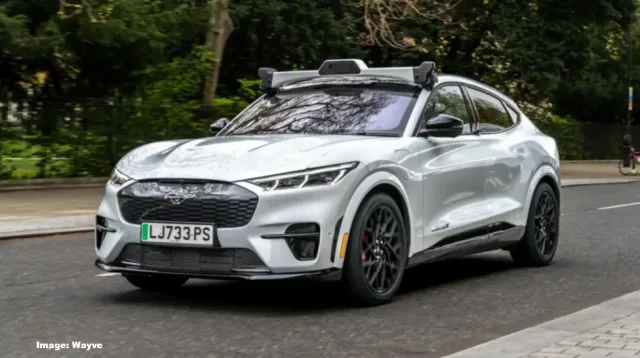
Uber has become the first company to launch a self-driving PHV in London. Last month, the company was granted a licence for 15 autonomous vehicles to operate in the capital — with a safety driver on board in case anything goes wrong.
Confidence in the technology remains a key issue for passengers as well as other road users.
The company is currently using Ford Mach E vehicles — electric Ford Mustangs which use UK tech firm Wayve’s driverless car technology which uses AI to react to its surroundings.
Wayve chief executive Alex Kendall called it “the space race for our generation”.
He told the BBC: “What we’ve done over time is pioneer a completely new approach to autonomous driving, making it possible to bring this to a busy and complex city like London and scale it globally.”
Challenges
Zego vehicle leasing CEO and founder Sten Saar said Uber’s launch marks a big change for both passengers and drivers.
He told Taxi Point: “For passengers, the biggest change may be physiological: getting into a taxi and knowing the person sitting behind the wheel is not actually driving it.
“Trust will be a huge part of the transition to autonomous travel. Even if the technology is designed to respond to hazards and make decisions on the road, many people will understandably want to know what happens if something goes wrong and who is ultimately responsible for their safety.”
A DfT spokesperson told the BBC it will be next year before self-driving cars are expected to be rolled out fully.
“These services will be introduced carefully, subject to rigorous safety testing and regulatory approval and will require local consent which can consider the potential impacts on local roads, jobs and communities.”
New direction
It is the pioneering approach that is both exciting and worrying for people who are being asked to put their trust in new technology in the same way they would a seasoned taxi or PHV driver.
Passengers book vehicles as normal using the Uber app and if a self-driving PHV is available nearby, it will show up as an option and allow the rider to select it if they wish.
Uber’s global head of autonomous mobility and delivery Sarfraz Maredia told the BBC the plan is to phase them in over a period of several years.
“We always want consumers to be able to request a human ride or an autonomous vehicle, and because the market’s growing, we expect that there will be human drivers on Uber London for a long time to come.”
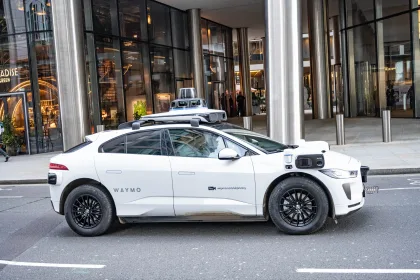
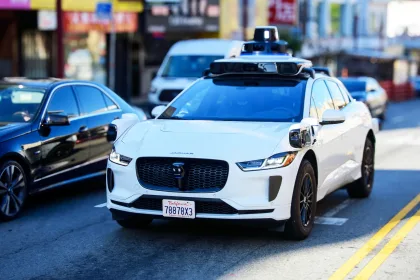
Amid fierce competition to follow Uber’s lead are Waymo, which currently operates in the US, and Chinese tech giant Baidu.
Waymo cars have been carrying out tests in London but are not ready for passengers.
Taking responsibility
Taxi Point highlights the issue of liability and private hire taxi insurance, which are vital when things go wrong.
Zego CEO Mr Saar believes that safety drivers will continue throughout the current transitional stage before vehicles become fully autonomous.
“As the technology develops, the industry will need to consider how passengers understand and interact with vehicles where there is no traditional driver in control.
“This is where insurance also becomes important. If the AI is driving but a human is still responsible for intervening, the traditional relationship between passenger, driver, vehicle and insurer becomes much less straightforward.
“As autonomous taxis become more common, clear responsibilities will be essential to maintaining passenger confidence in the technology.”