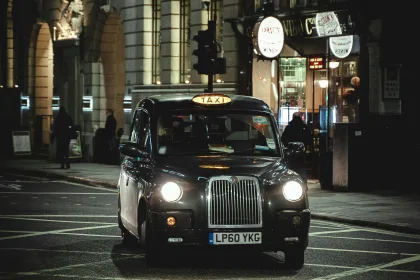
Your taxi is your livelihood and you aren’t earning whenever it is off the road. What’s worse, if your vehicle has been damaged by vandals or during a break in, it leaves you with an expensive repair bill.
Taxis in Cambridge have recently been targeted by thieves who have caused thousands of pounds worth of damage by smashing windows to steal drivers’ belongings.
ITV reports that dozens of taxis have been targeted since February with drivers saying they feel unsafe.
One driver, whose wallet and cash were taken while he visited a sports centre, lost more than £600 in work while his car was off the road, as well as the cost of repairs.
Repair bill
He said: “I couldn’t work for three days because I had to get my car repaired.
“Everyone is in fear of waking up in the morning, finding their car broken in.
“So a lot of people are not sleeping at night. Just checking in the middle of night, checking their vehicle, whether it’s okay.”
Cambridgeshire Police told ITV that investigations are ongoing into the spate of vehicle break-ins.
Currently, taxi drivers are required by Cambridge City Council to display permanent signage to identify their vehicles as licensed taxis.
But drivers believe this makes them a target and want to be able to remove the signs when they are off duty.
While taxis might appear easy targets, there are steps you can take to keep your cab secure.
How to keep your taxi or private hire vehicle secure
1. Never leave valuables inside
Whether fares are paid for electronically or in cash, thieves can see taxis as rich pickings, with a mix of expensive equipment, personal belongings, as well as untraceable notes and coins.
Whether you have parked for a few minutes or overnight, the most important thing to remember is never to leave valuables in the car, especially in plain sight.
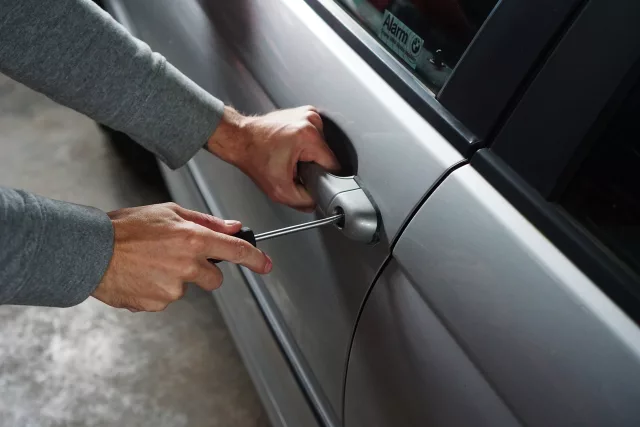
Smashing windows is one of the most common methods used by thieves who can flee with their haul within seconds, leaving the driver off the road and with an expensive repair bill.
2. Park your vehicle on a drive or in a locked garage
Thieves usually choose convenience over reward and the more difficult you make it for them to target your car, the safer it will be.
Parking it on a driveway or in a locked garage makes it less attractive to criminals, especially if it is monitored by CCTV and there are lights operated by motion sensors.
If you have to park on the road, find a well-lit or busy area and park as close to a lamp post as you can. Thieves prefer dark or quiet areas where they’re less likely to be spotted.
3. Use visible security deterrents
As well as keeping valuables out of sight, it’s worth letting everyone know what security measures your car has, including an alarm, immobiliser, or GPS tracking system if it is installed. For vehicles that don’t already display security measures on the windows, stickers and signs can be obtained from the manufacturers or online.
As well as displaying your cab’s security systems, making sure the alarm in your vehicle has the industry-standard Thatcham Security Certification could be the thing that stops criminals taking your car.
Steering locks are another deterrent for thieves looking for easy pickings. They provide an extra layer of security and are also relatively inexpensive and easy to use.
4. Always remember to lock your doors
Whenever you leave your cab, make sure you lock the doors. Whether you are stopping for a quick toilet break or refuelling, don’t take any chances.
Make sure all windows and doors are locked, take the keys out of the ignition, and check the doors are locked before walking away from your cab.
The temptation to leave mobile phones, wallet, cash bag, etc, unattended for a few moments is all a thief needs, leaving you with an expensive headache which could easily be prevented.
5. Avoid leaving the engine running unattended
Modern vehicles are difficult to steal without the key and organised criminals target people’s homes in order to take both.
But many vehicle thefts are opportunist and take place when a driver is distracted or is tempted to leave the engine running for convenience.
Leaving the key in the car, especially with the engine running, is a gift for thieves. They target drivers who leave their engines running while defrosting their vehicles in winter, and will happily jump into the driver’s seat and take off if a cabbie steps out for any reason.
6. Remove expensive equipment when not in use
Modern cabs rely on booking apps and other technology to operate, including card payment systems.
Anything of value can be appealing to thieves and while some equipment might not be easy for the driver to remove, it’s worth taking steps to protect it to deter criminals.
If anything has to stay in the taxi, make sure it’s in a secure box that’s out of sight of passengers, and can protect your cash and other important equipment you need for your taxi business.
Whatever security measures you have installed, discuss them with your insurer or taxi insurance broker to make sure you get the right cover for your business. Avoiding becoming a victim of crime is the first step, but if your vehicle is targeted, you have the peace of mind knowing that it will be back on the road quickly without an expensive repair bill.