Sharp price rises make it difficult for businesses to balance the books. While some may be able to switch to cheaper suppliers quickly, people who drive for a living or who operate fleets have to act quickly or bite the bullet when faced with the sharpest fuel rise in 18 months.
Festive fright
In the run-up to Christmas, RAC Fuel Watch was predicting festive misery for drivers with prices at the pumps going up 2.17p in November for petrol, taking the average cost of a litre to £1.37, and diesel increasing by 3.84p, with a litre costing £1.46.
Despite fearing further misery, the good news for taxi drivers, fleets and those in the motor trade was that the sharp rise was followed by a fall of about 2p a litre in December, reversing some of the increases of the previous month.
The RAC reports that petrol came down by 1.8p to £1,35 a litre, and diesel dropped 2.3p to £1.44. The good news for drivers is that both fuels finished 2025 about 1.5p lower than they began the year, the RAC reports.
However, the issue for professional drivers and fleet owners and operators is making sure they budget for sudden changes such as this. As Christmas approached, many were worried that the price at the pumps would rise further, especially at the busiest time of the year for deliveries and people travelling to see family.
RAC head of policy Simon Williams said: “After prices at the pumps fell by 2p a litre in December drivers are starting the new year paying 1.5p less than they were a year ago.
“But with oil tumbling below $60 a barrel in mid-December and recording its lowest monthly price in six years, it’s a shame drivers aren’t seeing even lower prices on forecourts up and down the UK. As wholesale fuel costs went below those that led to the cheapest prices of the year in June, we’d have hoped to see the year lows of 132p for petrol and 138p for diesel beaten.
“We hope that 2026 will see more competitive pump prices on the back of the Government’s fuel finder scheme going live at the start of February and increasing competition.”
Shop around
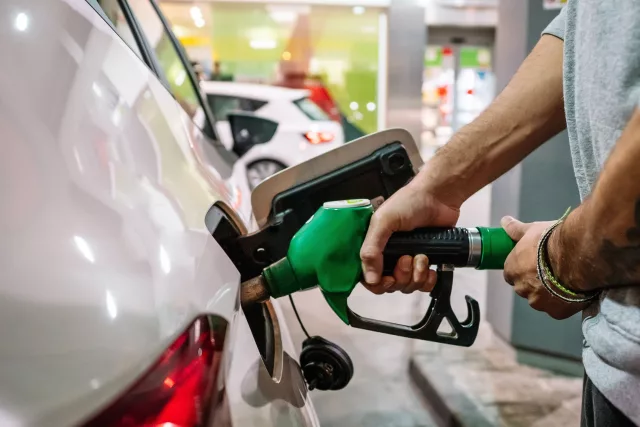
The RAC also encouraged drivers to shop around for the best prices. It said: “Drivers choosing to refuel at a supermarket-operated forecourt saved themselves 3p a litre in December as unleaded sold for an average of £132.65 and diesel for £141.24, both having come down 1.8p over the month.
“This equates to a saving of £1.50 a tank when filling up a 55-litre family car. A full tank of petrol at a supermarket costs £72.96, compared to the UK average cost of £74.45. The diesel equivalent is £77.68, versus £79.35.”
The RAC reports that average prices at the pumps are currently £133.37 for petrol and £142.25 for diesel. It expects both to fall sharply heading into February.
One of the skills of running a taxi or being a fleet manager is being prepared for every eventuality. They have contingencies for breakdowns, crashes, staff sickness and shortages, and anything else that can take a vehicle off the road.
So it is worth shopping around for fuel, making the most of useful tools such as RAC’s Fuel Watch, to save every penny they can whenever filling up. While this might seem a lot of effort for a few pence, the bigger the fleet, the bigger the savings.
Otherwise, unexpected rises, on top of maintenance, servicing, taxi insurance and fleet insurance, can become a big problem.