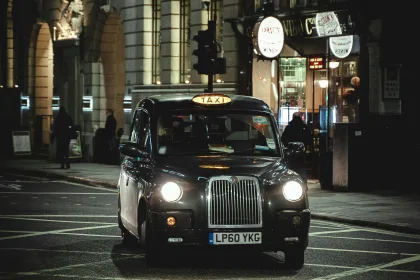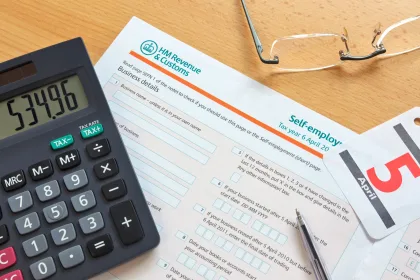
The cost of running a taxi or PHV continues to be a juggling act for drivers and operators as they try to balance costs which continue to rise faster than fares.
The trade has faced rising costs since the Russian invasion of Ukraine in February, 2022, which sent global fuel prices rocketing, triggering a cost-of-living crisis.
Not only have prices not returned to pre-conflict levels, but further conflicts have kept pressure on prices.
And while licensing authorities are being encouraged to raise fares to help drivers make ends meet, they are faced with their own rising costs — which leads them to increase their own fees, piling further pressure on the trade.
Plea for help
Drivers in North Yorkshire have appealed to North Yorkshire Council to put up fares by 5%, as reported by The Yorkshire Post.
The Post reports that Lisa Ridsdale, general manager for taxi firm Take Me, told councillors some drivers are now earning less than the living wage because of rising costs, including repairs and maintenance, and taxi insurance.
She told the meeting: “Taxi drivers may earn £20,000 to £40,000 before costs, but after many expenses, they’re left close to or even under the minimum wage, despite long hours, late nights, full responsibility for their own vehicles, and the running costs.
“While the council advocates for anti-slavery and living wages to the employed personnel, and indeed insists on compliance contract holders, they seem quite happy to allow us to be below that.
“If fares do not reflect reality, drivers will leave the industry. And in a rural county like North Yorkshire, this has serious consequences, because taxis aren’t a luxury. They’re essential for hospital appointments, work, and daily life, where public transport simply does not exist.”
Consultation
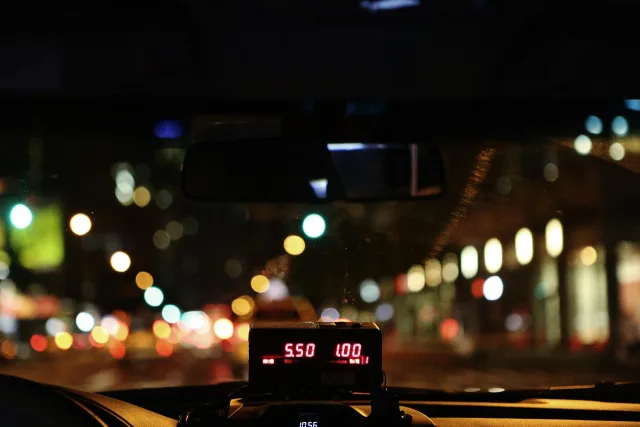
The council unanimously approved the request which will see standard tariff one fares rise from £2.22 to £2.33 per mile, while waiting time charges would increase from £20.23 to £21.24 per hour.
The changes will also lead to increases in evening and weekend tariffs, with tariff three rising from £4.20 to £4.41 per mile.
Having approved the proposals, the council has launched a consultation on the proposed increases.
If there are any objections, the plans will be brought back to the committee for a final decision.
Licensing fees
While fare increases such as those planned in North Yorkshire might ease some of the pressure on drivers, a hike in licensing fees proposed in Wrexham illustrates the difficulties they face to balance the books.
Wrexham.com reports that licensing fees could increase up to 20 per cent.
Last month, the council’s environmental licensing committee considered rises in fees which would apply across all hackney carriage and private-hire licence categories.
The committee heard that fees were last increased on April 1, 2024, and remained unchanged in 2025.
But an increase in council’s public protection costs means the authority is looking to pass on the bill to drivers.
Having approved the increase in principle, the new fees will be published and if any objections are received, they will be brought to the committee for consideration and for a final decision.
The changes will see the cost of a three-year drivers’ licence increase by £20, with £30 being aged to the cost of a one-year vehicle licence.
Small operators will see £22 added to the cost of a five-year licence, while large operators will see a £64 increase.
As taxi and private-hire drivers continue to feel the pinch, the best advice is to shop around for everything from taxi insurance to fuel and maintenance and repair. Increases in fares takes time to introduce and do not reflect the rising prices that drivers and operators are faced with.
When conflicts such as the latest one with Iran are resolved, the cost of living should come down for all of us and make it easier for drivers to make ends meet.