Professional drivers have a responsibility to take care when driving in severe weather, whether you drive a taxi, minibus, van, or HGV. This guide outlines simple actions you can take to ensure the safety of yourself and others around you while working on the road this winter.
Plan ahead for severe weather
There are a number of essential things you should do before getting out onto the road.
1. Check the weather forecast
Before setting off, it’s a good idea to check the weather forecasts for any warnings that may affect your journey. Being aware of warnings allows you to plan around severe weather and pre-warn customers or your manager that your journey will be affected.
2. Check your vehicle
Carrying out quick checks before your journey will help you spot minor issues before they become serious hazards.
You should check:
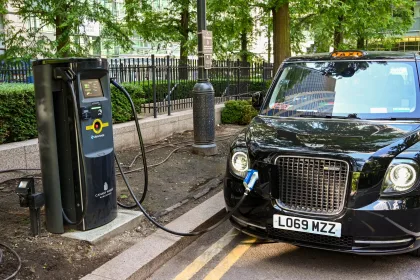
- Fuel – ensure that your vehicle has enough fuel or charge for your journey and plan stops for refuelling or charging along your route.
- Tyres – worn tyres reduce traction. The legal limit for vehicles over 3.5 tonnes (HGVs) is 1.0mm, and the legal limit for vehicles under 3.5 tonnes (taxis, vans, minibuses) is 1.6mm. It’s typically recommended not to let your tread get below 3mm.
- Fluids – ensure that your vehicle’s fluids (water, oil, brake fluid, anti-freeze fluid, windscreen wiper fluid) are topped up.
- Windows/windscreens – Clear your windows and windscreens of snow for visibility. Check your windscreen wipers are working before you set off.
- Exhaust – Check your exhaust system to make sure it is clear in snowy weather.
3. Have a winter kit on hand
Keeping equipment with you in your vehicle will come in handy if there’s an emergency. Consider packing:
- A de-icer.
- An ice-scraper.
- A torch.
- Warm clothing.
- A phone charger and power bank.
- Food and drink.
4. Have the correct insurance in place
Whatever the weather, you’ll need the right insurance to be legally covered to drive on the road. If you’re a professional driver, standard car insurance will not cover you. You need a specialised insurance policy that takes the specific risks of your job into account.
At Patons Insurance, we offer insurance for people who drive for a living. We provide free quotes for Taxi Insurance, Fleet Insurance, Motor Trade Insurance, HGV Insurance, Minibus Insurance, and Chauffeur Insurance.
Drive carefully in severe weather conditions
Once you’re out on the road, it’s important to drive carefully and be aware of the risks around you, especially if the weather is extreme.
Snow and ice
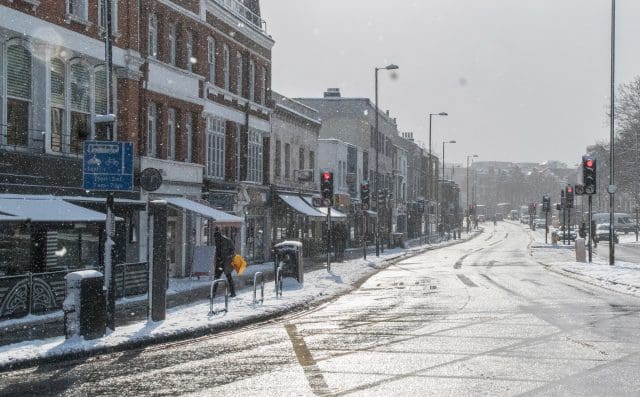
- Slow down – it can take up to 10x longer to stop in icy conditions.
- Stick to main roads where possible.
- Use high gear to avoid wheel spin.
- Accelerate gently.
- Try not to brake suddenly – your wheel could lock up, causing you to skid even further.
- Plan alternative roads in case of unforeseen road closures.
- Be aware of your surroundings if you’re stepping out of your vehicle to drop off deliveries.
- If you’re transporting passengers, ensure they exit the vehicle safely and make them aware of any weather-related hazards.
Fog
- Use headlights when visibility is reduced – it’s recommended to do this when you cannot see for more than 100 metres (328 feet) ahead.
- Use windscreen wipers and demisters.
- Check your mirrors before slowing down or applying brakes.
Strong winds
- Slow down and be cautious of debris such as fallen trees or branches blown down by the wind.
- Use both hands on the wheel to keep good control of your vehicle.
- Keep room on either side of your vehicle to accommodate it being blown sideways.
- If you drive a taxi, van, or minibus, take extra caution when driving past larger, high-sided vehicles.
- If you drive an HGV, be cautious when you are unladen, as the wind will affect you more. If you have an empty curtain-side trailer, you should tie your curtains securely to reduce wind passing through the trailer.
Rain
- Use dipped headlights.
- If you drive a smaller vehicle, be cautious of large, fast-moving vehicles that create spray, as this could reduce visibility.
- Avoid driving through flooded areas if you can. If you have to drive through a flooded area, do this carefully and dry your brakes afterwards by gently applying them at low speed.
Take care
Driving in severe winter weather can feel daunting, but preparation makes all the difference. By taking the right steps to protect yourself and those around you – through careful planning, safe driving practices, and proper vehicle maintenance – you can reduce the risks that winter conditions bring. And with the right insurance in place, you can head into the season with confidence.