
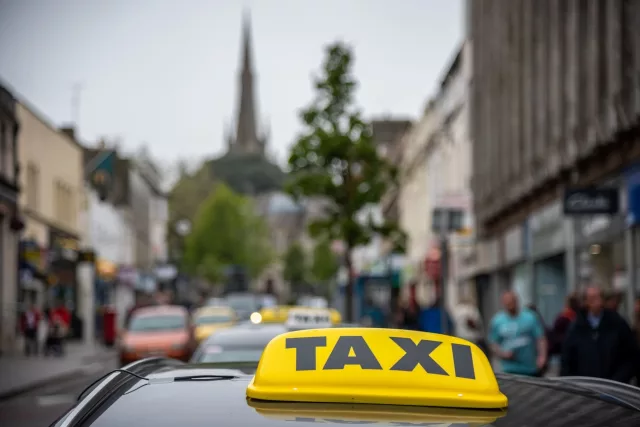
A union which represents the taxi and private-hire trade is calling for drivers to be at the heart of proposed national licensing standards which protect them and their well-being.
Putting people first
The government is consulting on plans to introduce national licensing standards which would close the loophole that allows out-of-town working.
The GMB union believes current legislation focuses on passengers and is calling for drivers to be given equal protections.
Eamon O’Hearn, GMB National Officer, said: “GMB has long called for national standards that provide rights and protections for drivers.
“But the voice of drivers and their representatives must be a major part of developing new standards.
“For too long, sustainable transport networks have ignored the role and welfare of private-hire drivers.
“This overhaul is the perfect opportunity to address that.”
Inconsistencies
In a written submission to the Department of Transport sub-committee, GMB stated: “The current fragmented licensing system has led to exploitation, inconsistent standards and significant challenges for both drivers and passengers.
“There is an urgent need for national standards, robust enforcement mechanisms, and a regulatory framework that places equal emphasis on driver welfare as it does passenger safety, operator obligations and fair competition across the industry.
“At present, the licensing system effectively ignores the role of the driver, so a key outcome of this consultation must be a commitment to involve GMB as the trade union for private-hire workers in the development and implementation of any approach to new licensing standards.
“The lack of any driver rights and the fragmented nature of licensing, results in areas of intense competition leading to oversupply of drivers, increased working hours, reduced earnings security, and heightened stress levels for drivers. This directly impacts their physical and mental health, and by extension, public safety.”
Rights
The union points out that drivers’ obligations are clearly set out in current legislation, but argues that they are not protected in the same way.
It has developed a set of national standards that provide drivers with rights that extend to their welfare and safety — particularly transparent fare mechanisms and a cap on vehicle and driver numbers.
It wants to see grievance procedures established to ensure drivers’ rights are protected, and give local authorities the power to ensure operators and vehicles comply with national standards, irrespective of their licensing jurisdiction.
Another concern raised by the GMB is the algorithm pricing used by ride-hailing apps.
It said: “Models employed by platform operators have coincided with downward pressure on driver earnings. The 24/7 nature of their business models results in drivers under pressure to complete more rides to achieve a living wage. The associated increase driving hours impacts on fatigue, driving practices and poses wider transport and environmental impact issues.”
Overhaul
Under proposals announced earlier this month, the Transport Secretary will have the authority to impose national minimum standards across England, while the number of licensing authorities could be reduced to just 70, from 263.
This would see all drivers and vehicles subject to the same robust checks wherever they are in the country, in addition to having the correct taxi insurance in place.
By levelling the playing field, it is hoped that drivers will be able to earn a sustainable living safely, removing the extreme competition and imbalances they currently face in major towns and cities, while quieter areas struggle for service.