As technology improves to make vehicles safer and driving experiences more enjoyable, so do the number of distractions, which can have serious and even fatal consequences.
While mobile phone use is widely recognised as a distraction behind the wheel, The Royal Society for the Prevention of Accidents warns that there are other forms of driver multi-tasking which contribute to road collisions.
Dangers
Holding a mobile phone while driving is illegal, and RoSPA said that the use of both handheld and hands-free mobile phones while driving are issues that employers need to consider.
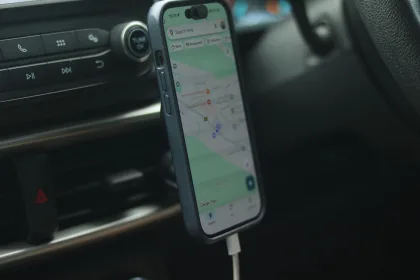
Sat-navs can help drivers plan routes and negotiate areas they might be unfamiliar with, but when used improperly, it can increase the risk of a collision.
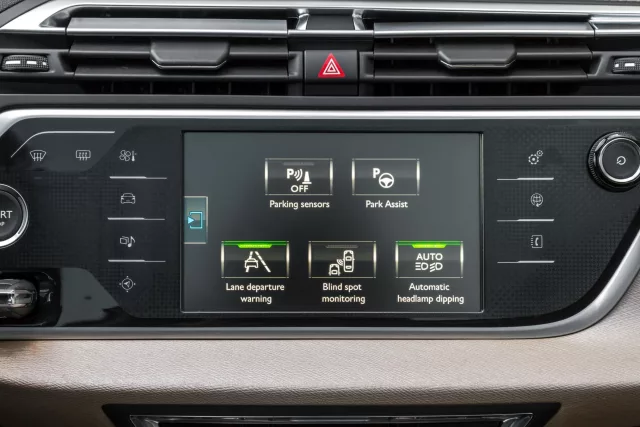
Build-in vehicle infotainment systems have seen a huge surge in technology, which can allow drivers to perform tasks using audio and touchscreens, which can be a distraction.
And the charity warns that other road users, including riders, cyclists, and even pedestrians, can be distracted when using the road and devices such as mobile phones and headphones.
As employers strive to keep employees and the public safe, one transport fleet has turned to AI to reduce distractions behind the wheel.
Safer with AI
Business Motoring reports that Hampshire-based A1 Group has rolled out Ctrack’s AI-powered video telematics and Progressive Safe System (PSS) across its commercial fleet.
The move comes after A1 carried out a trial earlier this year which led to a 40% reduction in driver-distraction events.
A1, which specialises in waste management, car spares and transport, is now fitting the technology to 110 vehicles. The dashcam uses forward and driver-facing cameras to detect high-risk behaviour, such as mobile phone use, eating, smoking and drive fatigue.
Stuart Cawthorne, transport manager at A1 Group, told Business Motoring: “The Ctrack AI cameras are already making a positive impact across our commercial fleet, giving us greater visibility of operational performance, improving driver behaviour and helping to reduce road risk.
“We have previously installed forward-facing dashcams, but these latest devices provide an added layer of protection to our staff and other roads users by helping us combat the dangers associated with driver distraction and fatigue.”
AI eyes on the road
The technology can also be used to detect vulnerable road users and improve blind spot visibility for large commercial vehicles.
Mr Cawthorne added: “As a responsible business committed to safety, legal compliance and operational efficiency, we were looking for a reliable and forward-thinking telematics partner.
“We have received expert support from the Ctrack team, with both solutions installed quickly with minimal disruption.
“This has enabled us to embed the technology into our existing systems and processes, so we can achieve measurable performance benefits and return of investment.”
Steve Thomas, managing director of Ctrack UK, said: “Our partnership approach means we are creating bespoke fleet technology solutions that meet precise requirements and provide true value to our customers.
“With a comprehensive fleet and video telematics offering, underpinned by a powerful software platform, these flexible and use-friendly systems offer proven safety, efficiency and sustainability improvements.”
Responsibility for safe operation of any vehicle lies with the driver and, if they are operating commercially, the employer. Most journeys end without incident, but when trucks and HGVs are involved, the damage and injury caused can be serious.
Using technology to give drivers extra warning about obstacles and making sure they are keeping their eyes on the road and are not distracted, makes the roads safer for everyone.